What we do for Salt Lake City homeowners
Tree removal
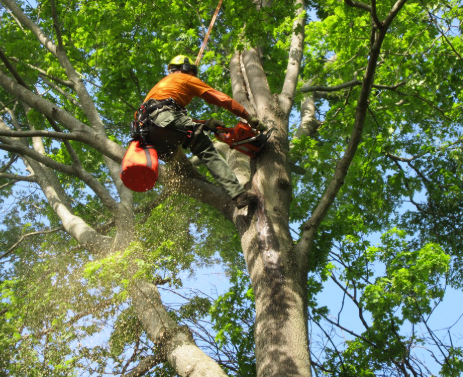
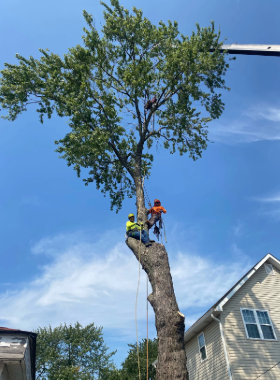
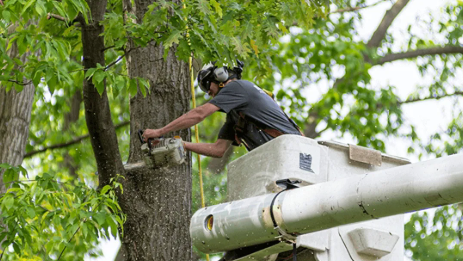
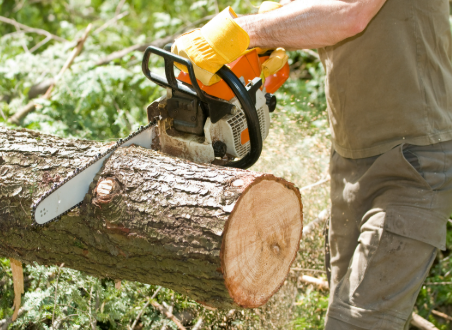
Sometimes a tree has to come down. A dead tree, a tree leaning toward a structure, or one that's too far gone with disease is a liability, and leaving it doesn't make the problem smaller. We assess each situation before recommending removal, because a healthy tree has real value and we'd rather save one than cut it. When removal is the right call, we work with proper rigging and sectional cuts to bring the tree down safely, even in tight yards with fences, power lines, or structures close by.
Tree trimming and pruning
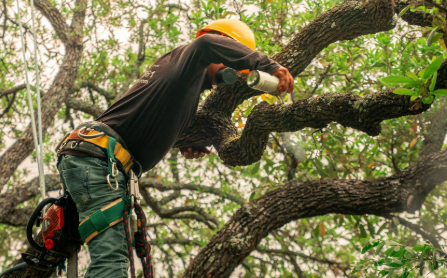
There's a difference between trimming and pruning, and it matters for your trees' long-term health. Trimming removes growth for clearance or shape. Pruning removes dead, crossing, or structurally weak wood to help the tree grow right. We don't top trees. Topping causes rapid, weak regrowth, creates decay entry points, and shortens a tree's life considerably. If another company has quoted you a topping job, it's worth getting a second opinion.
Stump removal and grinding
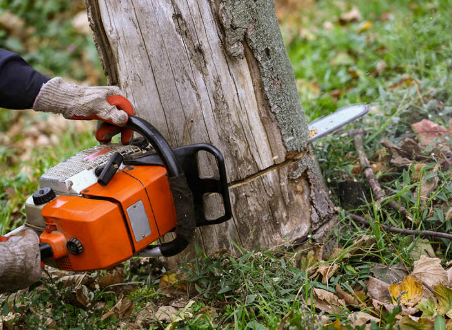
A stump left in place doesn't just look unfinished. It continues to send up shoots, attracts wood-boring beetles, and takes up room in your yard. Grinding takes the stump down several inches below grade and removes the visible root flare. The remaining root system decays on its own over time. If you need a full extraction with root removal, that's a larger scope of work and we'll quote it separately.
Emergency tree removal
Storm damage and high winds off the Wasatch canyons can bring trees down fast. If a tree has landed on your home, garage, or fence, we prioritize getting it off the structure first, then clearing access, then cleaning up the debris. We can document the damage for homeowners' insurance claims if you need it.
Arborist services
An ISA-certified arborist is a diagnostic resource, not just someone with a chainsaw. When something looks wrong with a tree and you're not sure what to do, a health assessment tells you what you're dealing with before you commit to any course of action. We check structure, root zone, soil conditions, and visible signs of disease or pest activity. A lot of trees that look like they need to come down just need treatment.
Tree health and disease treatment
The trees in the Salt Lake Valley deal with specific health problems. Alkaline soils throughout the valley lock out iron, causing yellowing in maples and other ornamentals. Cytospora canker attacks stressed aspens and cottonwoods. Bark beetles move into weakened pines and spruces and can kill a tree in a single season. Fire blight hits ornamental pears and crabapples hard in wet springs. These problems respond well to treatment when you catch them early. If you've noticed dieback, unusual discoloration, or bark changes on a tree, that's worth a look.